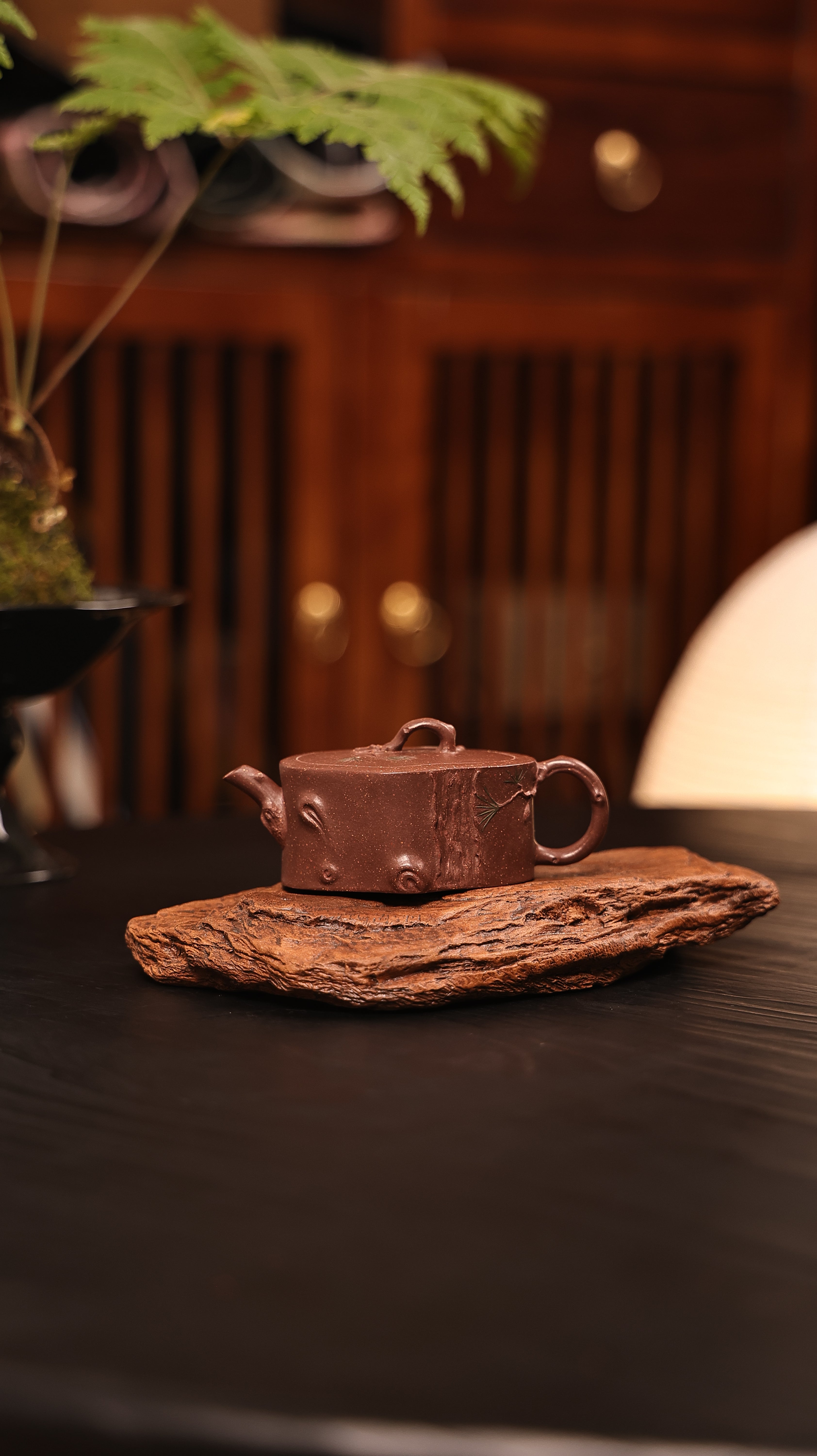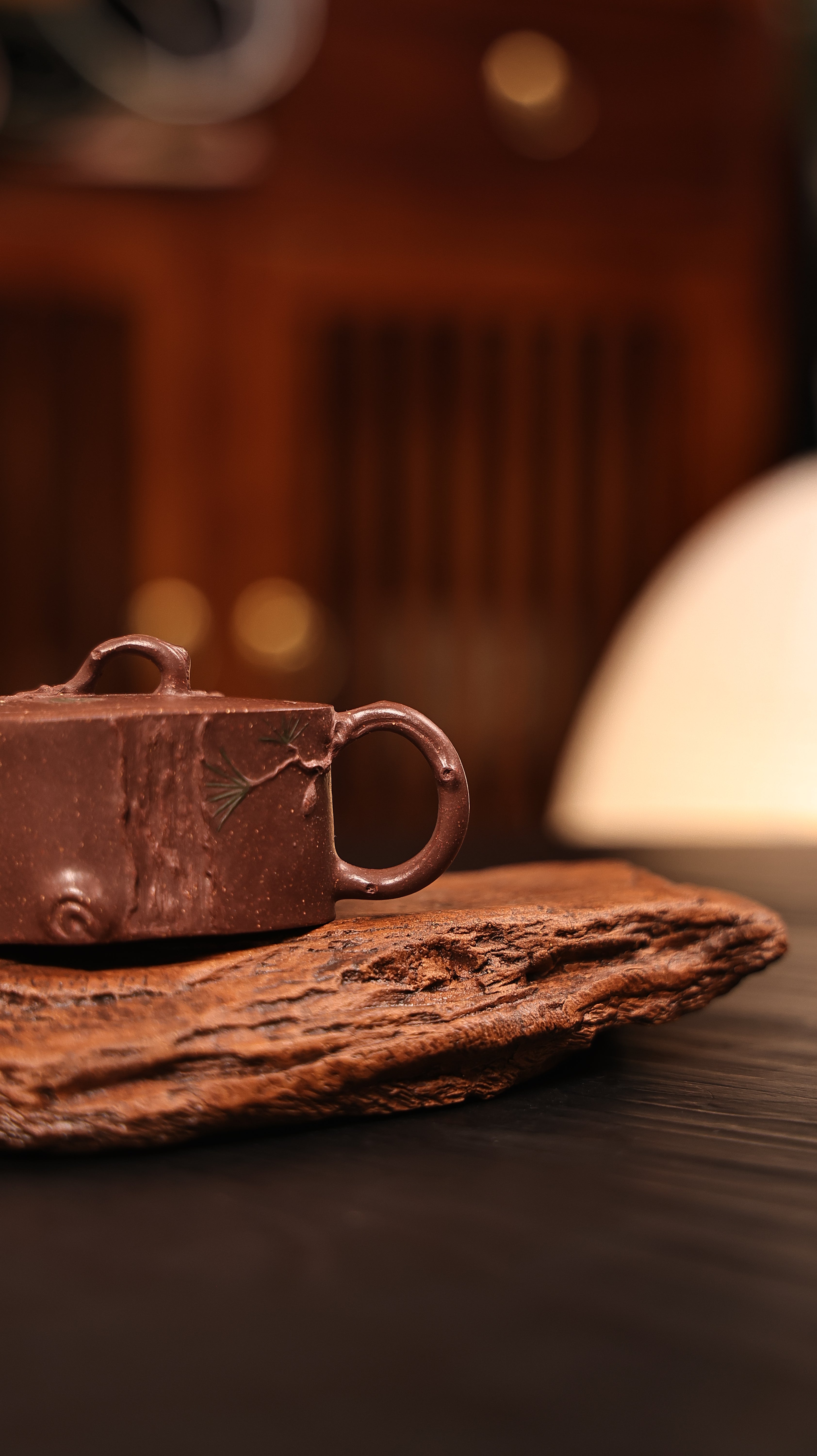
Generations in lovers have yearned the special attraction of Yixing Zisha vessels. Emerging in the small town of Yixing, the country, these vessels are crafted from a exotic and harvested purple clay esteemed for its superior thermal features and capacity to enhance the note of concoctions. Exceeding their useful value, Zisha teapots manifest a solid heritage pedigree, fashioning them greatly valued and a genuine marvel for any devoted teapot lover.
Surveying Yixing Containers
Such teapots embody a memorable mixture of history and artisan craftsmanship. Founded in Yixing, Jiangsu District of China, their narrative dates back the Ming Dynasty, although clues suggest earlier versions. The unique plum clay, called Zisha, found only in the Yixing region, is the principal component, contributing to the pots' outstanding heat retention and the manner they shape the flavor of tea. Continuums of potters have enhanced techniques—often passed down through families—including molding the clay, applying intricate embellishments, and firing the pots at accurate temperatures.- Traditionally, Yixing teapots were often beautified with simple designs.
- Eventually, more refined carvings and representative motifs became trendy.
- The heat application itself is a crucial element, requiring lengthy phases of skill.
Acquiring Zisha Teapots: Necessary Considerations
Initiating a mission to gather Zisha containers can be rewarding, but it’s vital to discern what to look for. Authenticity is essential; focus on the potter’s natural cast, a understated reddish-brown is usual. Examine the touch; genuine Zisha has a distinctive tactile sensation, often explained as slightly rugged. The form should be balanced and consistent with authentic styles, while labels, if present, require close examination for reliability. Don’t postpone to consult with experienced dealers or reliable databases – their awareness is priceless.
Traditional Pitchers: Researching the Tradition of the Yixing Purple Earth
Generations have seen Yixing Ming Clay teapots preserve a special role in Chinese tradition. These meticulously formed pots, sourced specifically from the region of Yixing, are renowned for their recognizable tone, grain, and their ability to develop the bouquet of potions. Scores of collectors acquire antique Yixing teapots, coveting them highly not only for their aesthetic charm, but also for the past they symbolize.
Yixing Zisha Teapots: Such Premier Categories and Their Qualities
Yixing Pottery teapots, sourced from the regional locale of Yixing, this nation, are famed for their unique clay and outstanding brewing skills. Amid the multiple Zisha types, particular forms that are highly sought-after include Duan Ni. Binzhou, known for its profound purple shade and even texture, delivers a gentle flavor. This Duan Ni variety, recognizable by its orangish color and fairly grainy feel, is regarded to enhance the weight. Lastly, Zhuni class boasts an exceptional carmine tone and can give a sweet nuance. Each breed grants a unique experience, rendering them considerably desirable within drink enthusiasts.
Mastering Unique Earthenware Vessel
To tap into the capability of your Yixing vessel, knowing the correct way is crucial. These clay pots, celebrated for their passability, will steadily absorb the soul of the tea you prepare within them. Begin by scraping the container thoroughly with warm water. Then, use only excellent natural leaf tea, as lower quality options can damage the premise’s delicate character. Always give the leaves to spread completely, and remember that with each serving, your Yixing container will become more valued.
Maintaining Your Rare Zisha Artifact
Proper Zisha Teapot support for your Zisha kettle is crucial to maintaining its durability and worth. Zisha clay, acclaimed for its unique coloration and makeup, requires gentle handling. Never use caustic detergents, as these can injure the film. After every infusion, rinse the pitcher with lukewarm water and allow it to evaporate completely.
- Resist soaking the vessel for extended phases.
- Periodically use a soft piece of cloth to refresh the exterior.
- Explore applying a thin layer of food-grade fat inside the jar after drying, which can reduce staining.
Basics of Yixing Vessels
Yixing containers, originating from the Yixing province in Jiangsu Province, located in China, are celebrated for their distinctive traits. Shaped from the unique purple earth known as Zisha, these kettles are prized by brew enthusiasts worldwide. This digest will briefly explain the principles – covering forms of Zisha composite, prevailing shapes, and important care recommendations. Understanding the foundation of Yixing pitchers can heighten your appreciation for this traditional example of Eastern custom.
Technique of Eastern Pots: Highlighting Zisha sourced from the Yixing area
Zisha soil from this city of Yixing represents the culmination of Asian jar design, featuring a unique combination of organic beauty and useful artistry. These exceptional pieces are celebrated for their intense shades, often covering robust purples and chestnut hues to light greys and soft beiges. The distinctive mineral composition of the native Zisha material imparts a defining texture and yields a satisfying aroma that elevates the total brew experience, rendering them highly wished-for collectibles and integral components of any serious custom.