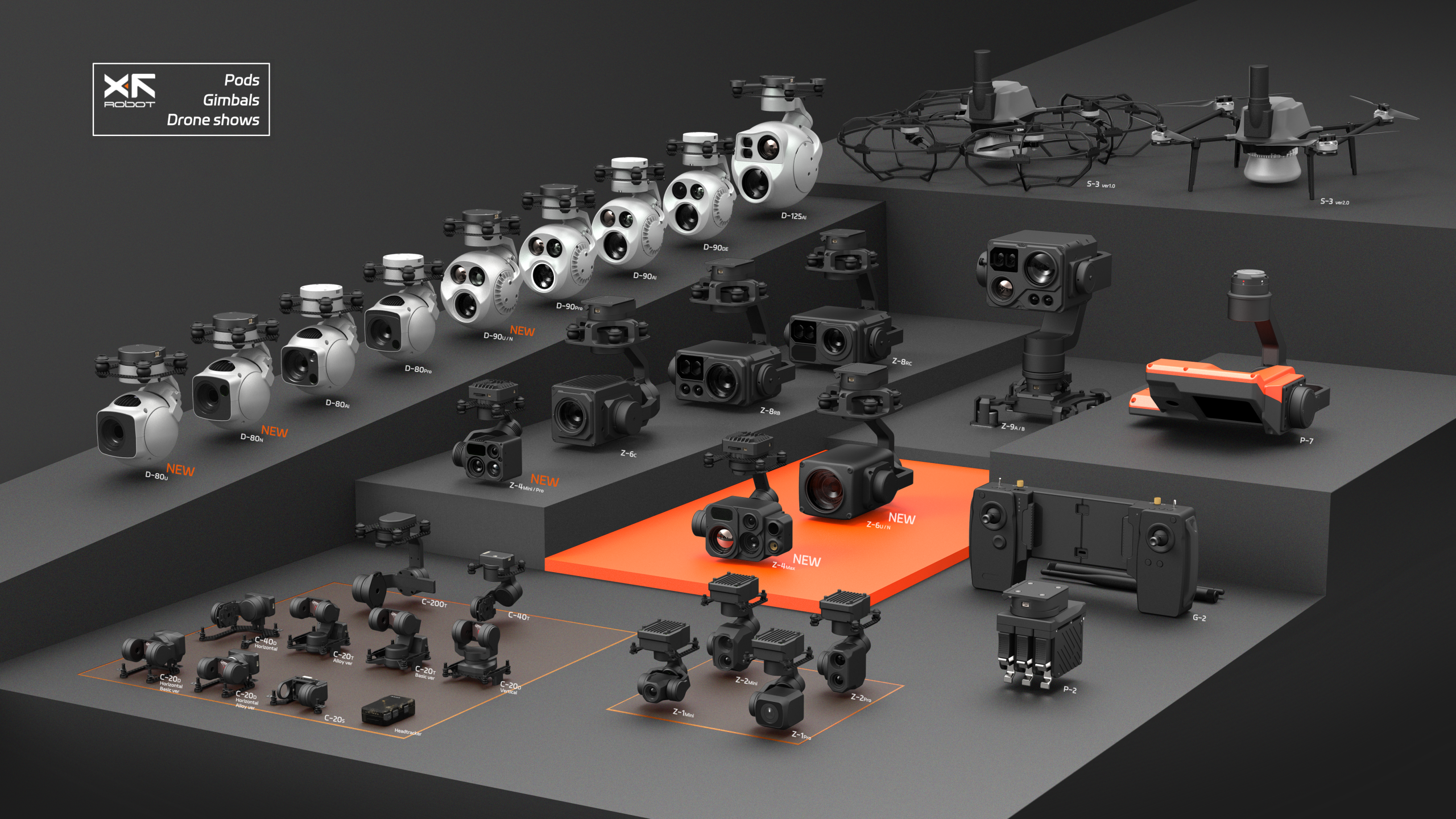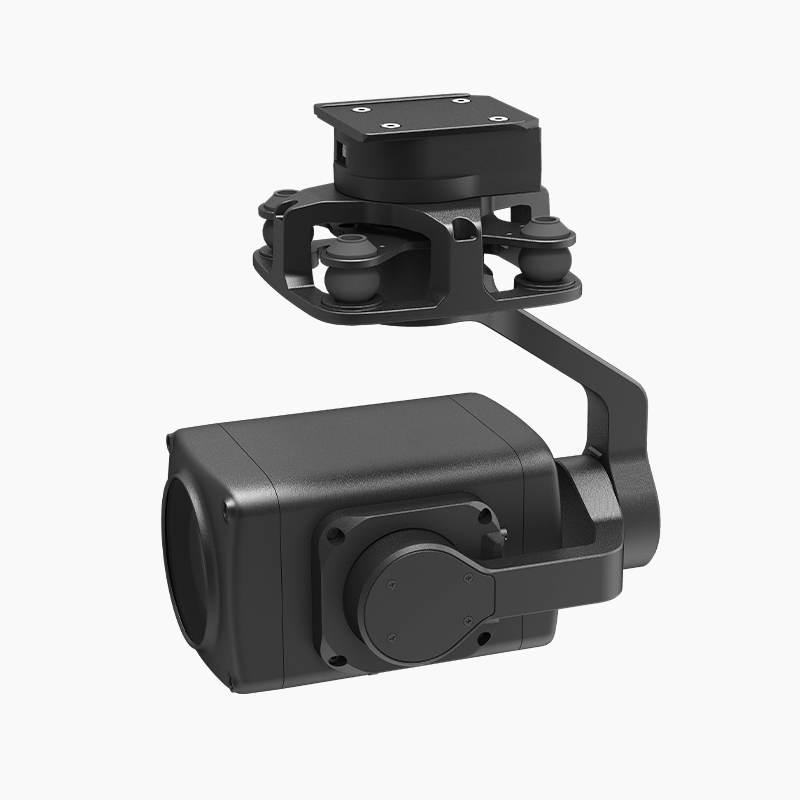
Welcome at particular all-encompassing explanation regarding suspension platforms featuring temperature monitoring for airborne machines.
Dampener Capabilities involving Drone Photographic Advances
Autonomous units are experiencing remarkable upgrades in camera instruments. High-precision gimbal designs now permit incredibly steady footage, while facing turbulent environments. Furthermore, the combination of thermal scanning offers unprecedented opportunities for examination in fields like crop-monitoring, providing valuable intelligence beyond what typical light cameras can perceive. These integrated technologies are essentially revolutionizing the sector of aerial photography.
Peering into the Evening: UAV Equipment with Starlight & Gimbal Technology
The recent landscape of unmanned aerial vehicles is being transformed by advancements in camera performance. Especially, the combination of night vision methods and state-of-the-art gimbal designs allows for unprecedented resolution during nighttime operations. These robust cameras, often utilizing infrared sensors, can illuminate darkness, providing crucial details for protection purposes. Likewise, the gimbal solution smoothly minimizes jitter, resulting in distinctly balanced footage even in rough conditions. Parameters like focus and tempo are continually required for maximum functioning.
- Augmented Contextual Perception
- Expanded Distance of Operation
- Detailed Material Accumulation
Autonomous System Camera Study: Suspension, Thermographic Monitoring, Magnification & Darkness Viewing
Selecting the optimal autonomous craft camera necessitates a intricate judgment. Think about the varied kinds available: balanced systems provide smooth, professional footage; heat-detecting cameras outperform in challenging conditions by detecting heat marks; telephoto lenses permit you to magnify distant features; and gloomy vision features utilize refined applications to obtain imagery in tight light. The recommended mix is influenced by the aimed purpose.
Your Imminent of Aerial Tracking Applications: Combining Infrared-Based & Twilight Monitoring
Generally, Drone instruments relied on ordinary light capture. Despite this, latest applications in areas especially rescue & recovery necessitate improved perceptual details. Combining infrared-based cameras alongside low-light viewing abilities delivers users a important benefit, facilitating experts to detect targets thermal camera veiled from standard glow. Such melting drastically expands tactical effectiveness across a diverse scope of applications.Balancing Strength Meets Thermal Vision: A Advanced Era for UAV Imaging
Such new period dedicated to flying photography started, motivated as a result of a merging alongside leading-edge stabilization platforms combined with accurate heat-sensing imaging. Such collaboration grants personnel allowing them to record more precise thermal metrics through pilotless craft, amid challenging weather circumstances, enabling new opportunities among distinct areas notably observation, reclamation in addition to precision agriculture.
UAV Camera Magnification Capabilities: Reconciling Reach & Dark Perception
Advancements in Flying Machine technology are constantly enhancing camera range extension qualities, but a important challenge involves managing length and dusk detection. Extending your telephoto to obtain faraway objects often reduces radiance sensitivity, allowing clear dark vision arduous. Builders are researching revolutionary options, featuring advanced imaging structures and software modifications, to diminish particular disadvantage and provide high-resolution imagery at wide-ranging spans, even under suboptimal illumination cases.
Opting for an Appropriate UAV Photography Equipment: Dampening, Temperature, & Optical Range Subjects
During opting for specific UAV observation equipment, various key criteria should be weighed. Such balanced suspension component is important for steady aviation recording , largely in gusty situations. Infrared-Based sensors supply useful view for functions like inspection and aid responses. Finally, focal adjustment features provide more detailed images of objects, despite the fact that higher telephoto capability often induces minimized visual detail and necessitates heightened shine.
{Night Vision UAV Cameras: Advanced Monitoring with Stabilization Help
Modern autonomous drones are revolutionizing security procedures with the introduction of night vision instruments. Decisively, mounting system grants exceptional stability for the camera mechanism, helping clear recordings even in rough conditions or during piloting. This aspect considerably strengthens patrol success and provides a vital plus for officers and multiple entities requiring consistent nighttime observation.
High-tech Remote-Controlled Camera Platforms: Merging Adjustable Radiometric & Shadow Detection
Modern unmanned aerial vehicles are rapidly equipped with high-performance camera configurations that outperform basic filming. These revolutionary solutions habitually adopt a conflation of potent technologies, made up of variable range capabilities for exact inspection, infrared-based imaging to discover temperature differences, and dark vision solutions to empower operation in suboptimal contexts. This union provides handlers with a major edge in diverse fields, from disaster relief to asset management and safety inspection.