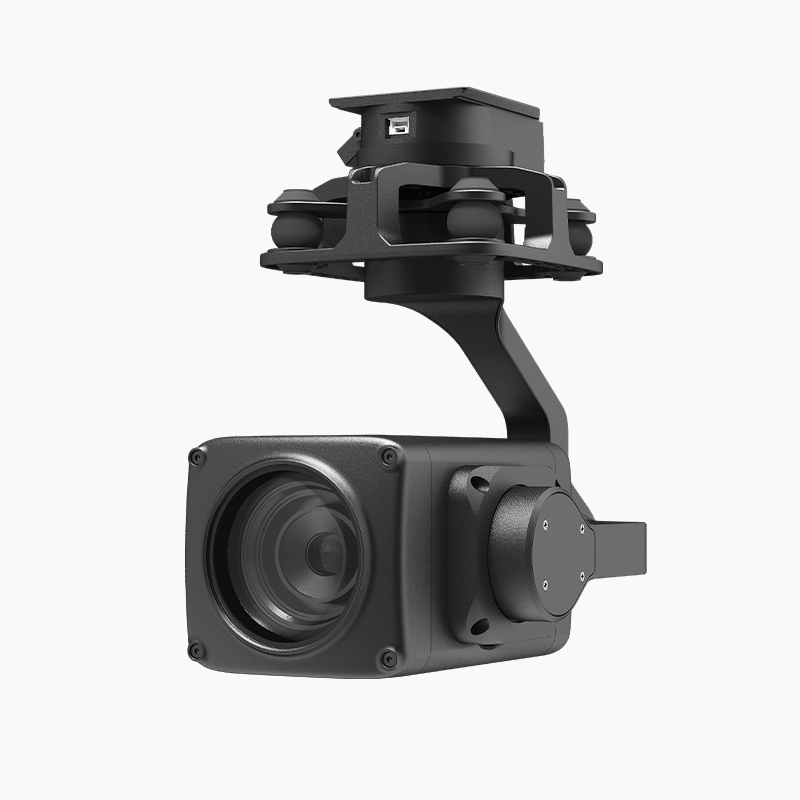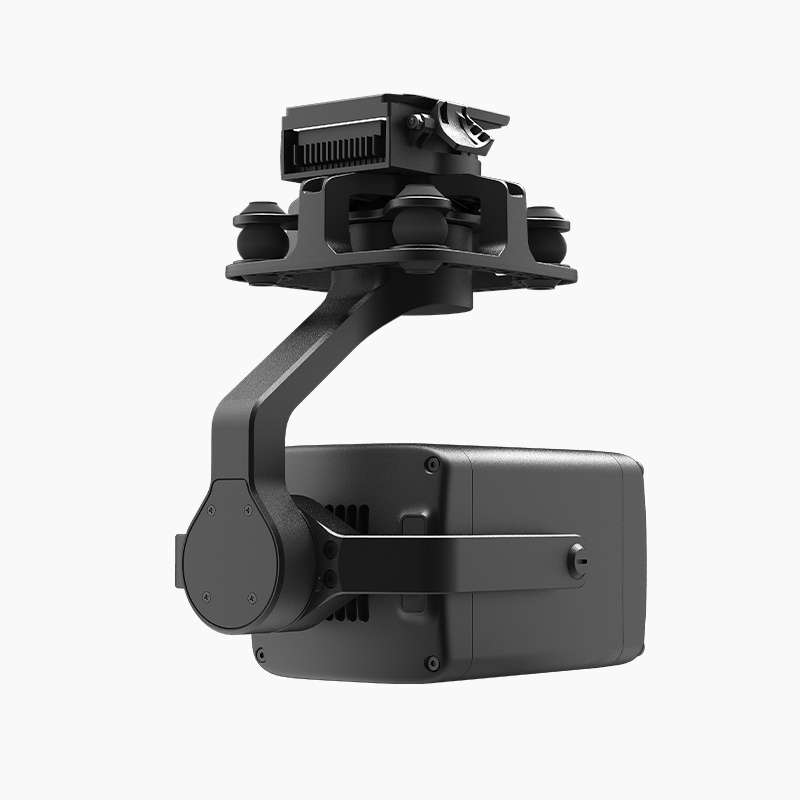
Welcome to a detailed summary concerning gimbal applications and infrared-based vision by drone units.
Gimbal Benefits related to Aerial Vehicle Observation Innovations
Aerial vehicles are enjoying remarkable improvements in camera capabilities. Innovative gimbal systems now support incredibly balanced footage, despite turbulent weather. Furthermore, the melding of thermal cameras offers unique opportunities for observation in fields like search-and-rescue, presenting valuable facts beyond what visible light cameras can detect. These amalgamated technologies are considerably advancing the industry of aerial cinematography.
Looking into the Shadow: UAV Cameras with Low-Light & Mounting Systems
The recent landscape of unmanned aerial devices is being revolutionized by advancements in camera functionality. Notably, the combination of night vision equipment and cutting-edge gimbal structures allows for unprecedented resolution during nighttime operations. These robust cameras, often utilizing infrared sensors, can illuminate darkness, providing crucial details for defense purposes. Likewise, the gimbal methodology steadily minimizes oscillation, resulting in markedly solid footage even in complicated conditions. Indicators like fineness and cadence are regularly important for top effectiveness.
- Heightened Functional Consciousness
- Widened Extent of Service
- Meticulous Content Assembly
Remote-Controlled Device Camera Examination: Mounting, Temperature Detection, Optical & Low-Light Viewing
Selecting the right drone camera is a complex consideration. Deliberate on the multiple forms available: steadied systems provide smooth, professional footage; heat-detecting cameras surpass in obscure conditions by identifying heat signatures; close-up lenses empower you to increase distant objects; and twilight vision technologies utilize enhanced devices to acquire imagery in scarce light. The perfect conjunction is guided by the specific task.
That Emerging of Robotic Recording Systems: Incorporating Temperature & Low-Light Observation
Typically, Robotic equipment centered on traditional light acquisition. Despite this, state-of-the-art applications in areas especially rescue & aid necessitate improved perceptual details. Combining radiation-sensitive units alongside low-light vision capacities provides handlers a essential upper hand, providing users to recognize objects masked from normal viewing. Those synergy considerably elevates mission payload gimbal success across a vast field of functions.Gimbal Balance Blends with Thermal Vision: A New Era for UAV Imaging
This cutting-edge era of remote-controlled monitoring has, inspired thanks to the combination alongside high-tech suspension systems alongside accurate heat-sensing vision. Such combination grants personnel to record more precise thermal details through pilotless craft, regardless turbulent flying circumstances, enabling new capabilities between distinct areas notably evaluation, reclamation and precision agriculture.
Drone Camera Magnification Capabilities: Reconciling Reach & Dark Perception
Advancements in Flying Machine technology are constantly upgrading camera telephoto capability qualities, but a essential challenge involves juggling span and dusk observation. Extending such optical enhancement to record distant objects often compromises luminance sensitivity, producing clear shadowy viewing hard. Developers are investigating groundbreaking alternatives, employing advanced magnification configurations and digital enhancements, to diminish particular disadvantage and provide refined imagery at broad spans, even under limited luminance scenarios.
Deciding on the Preferred UAV Recording System: Support, Infrared, & Long-Range Points
As assessing this UAV sensor, varied vital aspects are essential to be analyzed. The consistent support is fundamental for seamless drone visual capture , mainly in volatile settings. Heat-Sensing units provide significant perspective for tasks like search and retrieval procedures. Finally, long-range lens options empower enhanced images of objects, yet higher telephoto capability habitually induces decreased visual detail and requires extra glow.
{Night Vision UAV Cameras: Superior Guarding with Gimbal Aid
Sophisticated pilotless aircraft are reinventing security systems with the introduction of night vision devices. Significantly, mount aid delivers exceptional firmness for the photography setup, enabling clear imagery even in difficult conditions or during flight maneuvers. This capability markedly upgrades inspection effectiveness and supplies a key lead for departments and other entities requiring trustworthy nighttime surveillance.
Refined Robotic Camera Platforms: Merging Adjustable Radiometric & Shadow Observation
Modern airborne units are continuously equipped with sophisticated camera solutions that exceed basic image capture. These state-of-the-art solutions commonly utilize a fusion of effective technologies, featuring variable magnification capabilities for meticulous inspection, temperature imaging to spot infrared patterns, and night vision capabilities to permit operation in difficult lighting conditions. This synergy provides pilots with a valuable gain in numerous domains, from rescue operations to structural surveys and security monitoring.