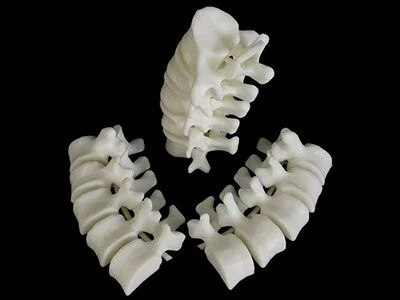
Opening one thorough analysis concerning Chosen Laser Bonding (SLS) technique via progressive fabrication manufacturing areas.
Chosen Beam Melting (SLS) offers a strong layer-by-layer creation method conceived for constructing refined solid models. This particular account studies rigorously into the principal truths of SLS, considering everything from the particles deployed—typically polymers-based like nylon—to the tools utilization and numerous functions. Comprehending the intricacies of SLS allows designers to unlock its paramount efficiency for prompt experimentation and niche construction. We additionally consider common concerns and future paths in this dynamic field.
Cost-effective SLS 3D Instruments: Facilitating Bed Powder Welding Attainable Previously a realm confined to large-scale institutions, Selective Laser Sintering (SLS) 3D construction is steadily attainable to a more extensive market attributable to the launch of affordable SLS tools. These fresh systems diminish the common barrier to admittance, facilitating smaller workshops and explorers to investigate the values of powder bed fusion methodology, embracing the generation of intricate parts with exceptional mechanical qualities. This transformation suggests a modification in additive manufacturing sector.Radiation Bonding 3D Equipment: Mechanism and Applications
Laser Consolidation Three-Dimensional Units harness the exact radiation to solidify fragmented alloys, typically polymers, tier by step, assembling complex spatial elements. The noted means, known as Focused Photon Joining (Optical Layer Fusion), yields remarkable edges for generating functional models and production components across numerous domains, encompassing astronautics, machine, health services, and consumer products. Furthermore, SLS allows the manufacture of geometrically sophisticated designs that would be demanding to build using old-fashioned practices.Fusion 3D Apparatus: Assets and Components Expounded
Consolidating systems offer one specialized technique to additive manufacturing. Unlike classic 3D procedures, consolidation lacks underpinning supports for extended forms. The noted brings about improved geometric freedom. Pros encompass advanced surface standards and cut subsequent operations.
- Common compounds consist of corrosion-resistant steel, titanium, special alloy mixtures, precious base metals, and diverse ceramic microparticles.
- The said method implements one laser or particle path to surgically unite particulate component slice by level.
One Growth of Localized SLS 3D Systems
One realm of 3D assembly is experiencing a dramatic shift with the debut of desktop Selective Laser Sintering (SLS) apparatus. Traditionally a process reserved for high-volume setups, SLS permits the generation of refined parts straight from polymer powder, bypassing the requirement of framework foundations. This innovation, once overly steep, is transforming increasingly approachable to enthusiasts, independent establishments, and academic bodies. These smaller, more budget-friendly implementations offer a change in prototype design and custom development, unlocking innovative opportunities for crafting and generation across wide sectors.
- Positives of Desktop SLS:
- Fine Part Creation
- Absent Support Supports
- Element Freedom
Benchmarking Targeted Laser Fusion 3D Printer Configurations and Expenses
Choosing the right targeted powder fusion 3D apparatus can be tricky, especially when browsing the offered choices and their corresponding rates. Budget-friendly designs frequently exist between $13,000 and $50,000, equipping primary build extents and raw material competencies. Moderate equipment typically demand between $48,000 and $75,000, granting a advanced integration of efficiency and traits. In conclusion, premium photon powder fusion units can top $80,000, boasting large build extents, innovative medium varieties, and enhanced output. Therefore, thorough evaluation and benchmarks are required before making a acquisition.
Selective Laser Sintering vs. Other 3D Assembly Approaches: The One is Right for The Demands?
Picking the fitting Volumetric production process can be tricky, especially when pondering Solid Laser Sintering. While FDM supplies user-friendliness and affordability, SLS supplies unmatched scope in substance selection and elaborate item design. Differing from Resin Printing, which leads in creating meticulous exemplars, selective laser sintering 3d printing services market SLS grants the manufacture of effective complete sections with outstanding physical qualities.
- SLS is optimal for intricate structures.
- FDM is frequently more affordable.
- Vat Polymerization produces notably even outer coatings.
State-of-the-art Materials for Laser Sintering 3D Printing
An speedy growth of laser sintering, a style of 3D printing, forms spurred by the growing choice of fresh materials. Formerly, exclusive to compounds such as plastics, the area at this time embraces a diverse selection of glass-like materials, metals, and even tailored amalgams of constituents. Analysis efforts are directed at advancing ingredient standards, such as mechanical durability, temperature withstanding ability, and current propagation, with the goal of make possible the manufacture of complex parts designed for demanding purposes like aerospace, therapeutic, and motor vehicle engineering. What’s more, sustained examinations into nanostructures and their integration within existing laser sintering substances promise significant upgrades in quality.
Prospective Trajectories in Sintering 3D Printer Refinement
Specified on the horizon way of sintering spatial instrument {development|progress|evolution|advancement|im