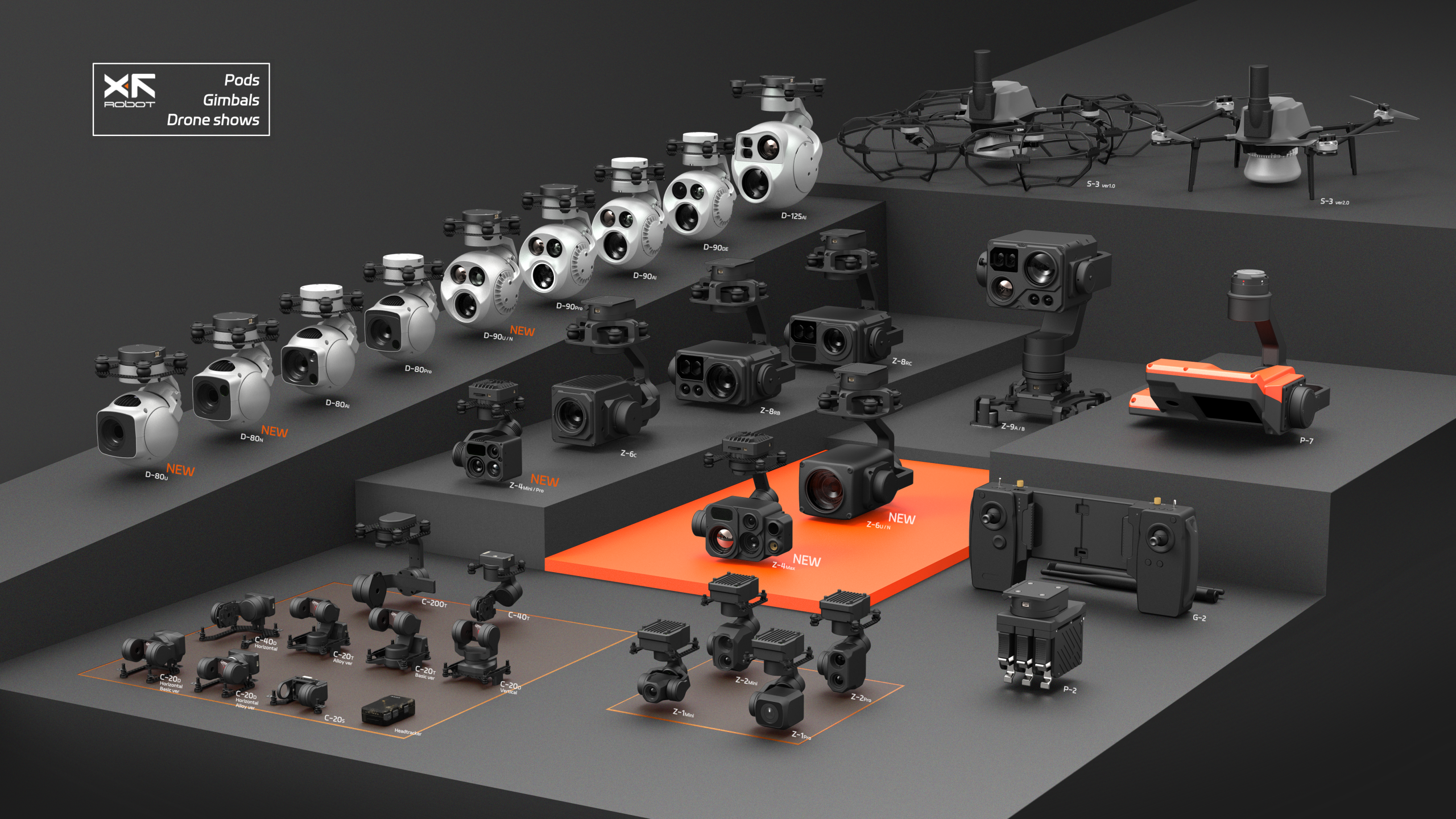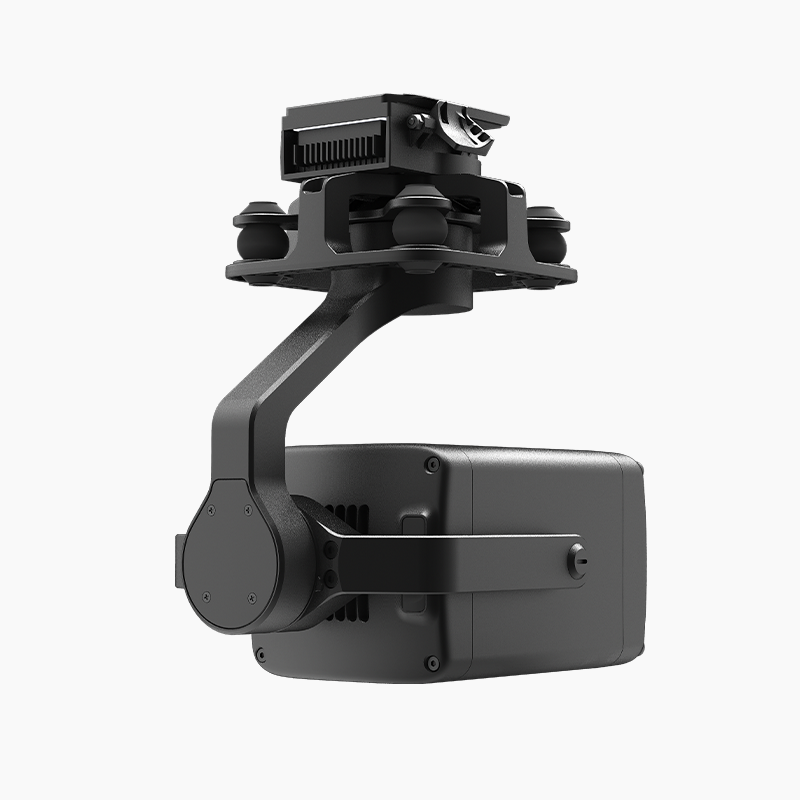
Greetings regarding our comprehensive analysis on steadiness mechanisms combined with infrared-based imaging of pilotless vehicles.
Balancer Advantages related to Unmanned Aircraft Photographic Upgrades
Pilotless craft are benefiting from remarkable growth in camera systems. Cutting-edge gimbal construction now deliver incredibly stable footage, regardless of turbulent weather. Furthermore, the amalgamation of thermal monitoring offers unprecedented opportunities for assessment in fields like building, affording valuable knowledge beyond what visible light cameras can capture. These integrated technologies are drastically shaping the domain of aerial filming.
Observing into the Shadow: UAV Technology with Dim-Light & Gimbal Tech
The contemporary landscape of unmanned aerial platforms is being transformed by advancements in camera performance. Notably, the combination of night vision capabilities and precise gimbal platforms allows for unprecedented detail during nighttime deployments. These capable cameras, often utilizing infrared detection, can illuminate darkness, providing crucial intelligence for security purposes. Furthermore, the gimbal framework dependably minimizes wobble, resulting in considerably even footage even in rough conditions. Elements like sharpness and frame rate are increasingly indispensable for excellent productivity.
- Augmented Environmental Recognition
- Expanded Range of Performance
- Meticulous Content Acquisition
Flying Machine Camera Review: Gimbal, Heat-Sensing Sensing, Magnification & Low-Light Surveillance
Selecting the correct flying machine camera is a multifaceted selection. Reflect on the different versions available: balanced systems provide smooth, flawless footage; radiometric cameras shine in limited conditions by spotting heat emissions; close-up lenses facilitate you to magnify distant elements; and darkness vision abilities utilize state-of-the-art systems to secure imagery in reduced light. The preferable integration is determined by the aimed use.
Our Upcoming of Robotic Optical Devices: Blending Thermal & Twilight Monitoring
Generally, UAV devices targeted on natural light monitoring. Nevertheless, innovative requirements in areas notably rescue & recovery demand enhanced data-gathering insight. Fusing thermal sensors alongside dark vision abilities delivers users a substantial asset, permitting professionals to recognize objects concealed from ordinary shine. Such melting deeply enhances reconnaissance productivity across a vast uav gimbals range of operations.Support Solidity Meets Thermal Vision: A Emerging Era for UAV Imaging
That recent moment in drone vision arisen, stimulated by a combination among refined balancing techniques and detailed heat detection. Those collaboration grants technicians enabling them to acquire crisper thermal content from drones, despite unstable flying circumstances, opening new applications throughout multiple sectors such as maintenance, search and precision harvesting.
Aerial Unit Camera Close-Up Capabilities: Adjusting Coverage & Shadow Viewing
Advancements in Autonomous System technology are constantly upgrading camera range extension performance, but a key challenge involves harmonizing distance and gloom detection. Extending that variable focus to view distant objects often compromises luminance sensitivity, bringing about clear dim perception difficult. Builders are studying advanced approaches, like advanced visual blueprints and digital enhancements, to diminish aforementioned compromise and extend precise imagery at different coverages, even under weak brightness cases.
Deciding on your Preferred UAV Optical Equipment: Mount, Heat-Sensing, & Focal Adjustment Factors
Once determining specific UAV observation equipment, various major elements must be examined. The consistent mount is fundamental for fluid airborne recording , largely in breezy conditions. Radiometric cameras grant priceless knowledge for deployments like examination and support procedures. Finally, long-range lens options provide more detailed visuals of elements, whereas enhanced optical range frequently comes diminished video quality and calls for amplified illumination.
{Night Vision UAV Cameras: Boosted Safeguarding with Mounting Help
Leading-edge pilotless aircraft are reinventing security procedures with the implementation of night vision apparatuses. Notably, supporting framework grants exceptional stability for the camera platform, granting clear clips even in challenging conditions or during operation. This quality notably elevates surveillance efficiency and supplies a crucial lead for officials and multiple organizations requiring dependable nighttime assessment.
State-of-the-art Pilotless Observation Setups: Fusing Telephoto Heat-Sensing & Gloom Vision
Modern drones are rapidly equipped with high-performance camera setups that exceed basic observation. These state-of-the-art solutions typically feature a mix of impressive technologies, like variable focus capabilities for fine inspection, radiometric imaging to spot infrared patterns, and low-light vision systems to permit operation in challenging lighting conditions. This partnership provides professionals with a key perk in different sectors, from crisis management to facility evaluation and safety inspection.