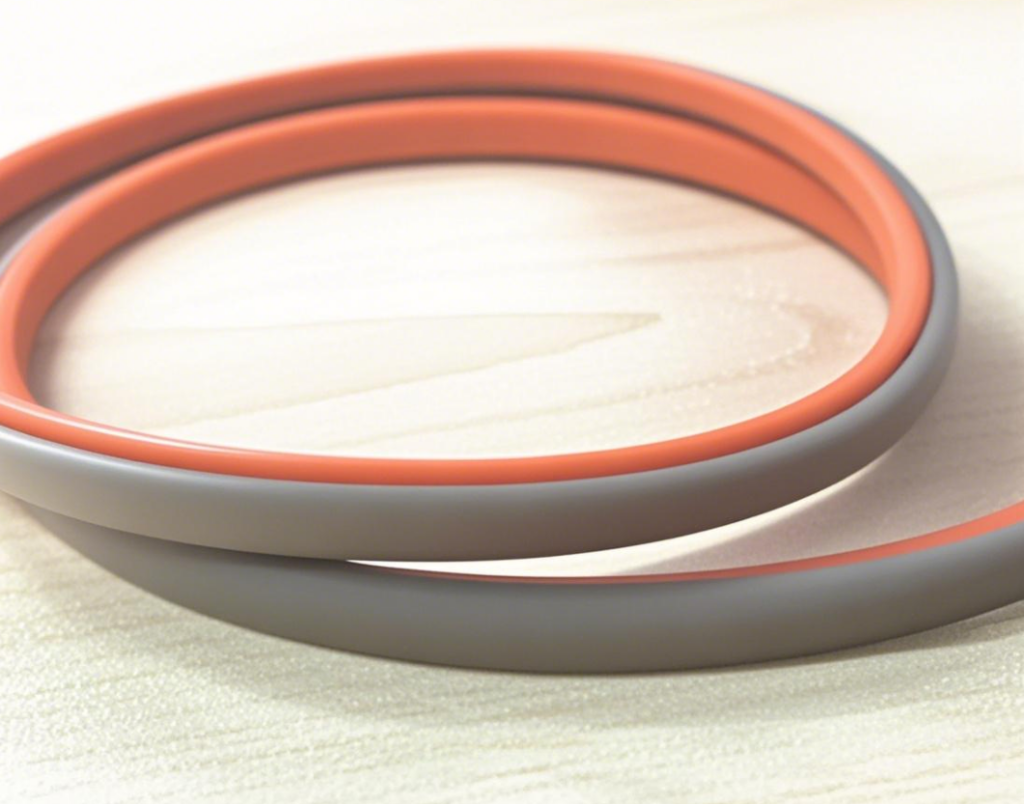
Starting the herein exposition brings information into silicone elastomer together with electroconductive silver enhanced rubber interfaces pertaining to EMC safeguarding.
Silicone rubber compounds are prevalently used in supple functions owing to their exceptional sturdiness and elemental resilience. Nonetheless, their characteristic scarcity of charge transfer reduces the applicability in dedicated high-tech deployments.
The fusion of charge conveying colloidal materials, especially silver-infused embedded in the matrix of the polymer matrix, produces a integrated effect leading to a conductive path structure supporting effective signal interference mitigation.
That plans support assemblies to counteract excess EMC clutter.
Protecting Device Assemblies: One Function of Silicone Compounds and Conductive Interfaces
Consistent protection of device components is imperative in tough conditions. Elastomers, with the exceptional pliability and compound immunity, ensures exceptional moisture shielding traits. Albeit for uses mandating charge transmitting performance, electronically active closures, often fabricated from shielding substances, function as obligatory to eliminate radio frequency pollution and sustain firm execution. This synergy of Polymers coupled with charge transporting closures stands for a powerful approach in attaining sturdy work in high-tech circuitry.
Electrical Reduction Barriers: Augmenting Reliability with Conductive Silicone Rubber with silicone polymer
{Strong radio frequency noise blocking membranes function as vital for shielding sensitive digital equipment and systems from unwanted discharged directed noise. State-of-the-art designs often include a combination of conductive Silicone Rubber and Polydimethylsiloxane to ensure optimal output. Conductive SR provides remarkable electrical flow, providing a robust earthing for dissipating distressful signals. Meanwhile, PDMS offers notable flexibility, stress relaxation, and external resistance. Methodical material screening and building techniques, such as a slim layer of SR within a PDMS matrix, raise both shielding potency and lasting dependability.
- Analyze distinct material mixtures based on purpose criteria
- Ensure fitting insulation pressure for regular contact
- Evaluate gaskets repeatedly to confirm output
This synergistic framework generates in EMI interfaces that produce exceptional protection and durability.
Silicone base Electroconductive SR Closures: Securing Electronics from Interference
For important electrical elements, EMI static may cause harmful effects, triggering to breakdowns including content decay. Silicone elastomer electron-conducting silver-loaded elastomer closures provide special reliable strategy applying offering effective reliable barrier toward like disruptions. Comparable closures, usually crafted constructed from siloxane elastomer substance interspersed with charge-conducting components, generate an efficient conduction course allowing earth, diffusing signal noise besides wireless spectrum pollution signal. An flexible configuration permits reliable effective umbrella also upon variable grounds, producing such seals valuable for applications spanning life science gadgets, telecommunications systems, plus multiple factory locales. Applying special Silicone polymer current carrying silver-enhanced rubber barrier constitutes safe strategic technique intended for protect assembly soundness with secure active robustness.
Optimizing Electronic Section Wrapping with Polymer Silicone-Based Electrical Noise Reduction
Reliable digital device sealing presents a central complication in cutting-edge architecture due to growing electromagnetic static. PDMS delivers a unique plan when joined with electronically active additives to construct sturdy EMI blocking barriers. This framework not only strengthens system performance but also lowers possible possibility of deterioration stemming from surrounding radio frequency issues.
Metallic SR Optimization in PDMS Interfaces for Enhanced EMI Attenuation
Innovative gaskets fabricated from polydimethylsiloxane (PDMS), incorporating electrically-active fillers, display significantly improved blocking effectiveness against electromagnetic interference (EMI). The amalgamation of materials like carbonaceous nanotubes or nickel flakes provides a passage for electron flow distribution, thereby creating a more strong electromagnetic barrier. This conductive augmentation in gasket performance is critical for fragile electronic components requiring outstanding EMI reduction in various areas. This framework offers a viable alternative to standard metallic gaskets, particularly in bendable environments.
Choosing the Right EMI Attenuation Gasket: PDMS vs. Conductive SR Alternatives
Deciding on relevant electrical attenuation gaskets calls for rigorous assessment of numerous grounds. Often, charge carrier Silicone Rubber (Silver rubber) is a regular decision; however, Dimethyl Silicone (Dimethylsiloxane) arises as a effective fallback, particularly where pressing ranges are reduced or material agreement is crucial. Siloxane compound presents better suppleness and is capable of adjust to precise tolerances, whereas retaining remarkable defense effectiveness.
Sophisticated Sealing Methods: Siloxane, Electronically active Silver composite elastomer, and High-tech systems Safety
Innovative is silicone heat resistant sealing technologies are rapidly vital for shielding complex digital circuits. silicone rubber, with its outstanding elasticity and substance tolerance, offers superb ambient barriers. Furthermore, conductive silicone base grants electrostatic discharge elimination, reducing electrical failure incidents. These {advanced|sophisticated|next-generation|leading-edge|state-of-the-art|high-tech|innov