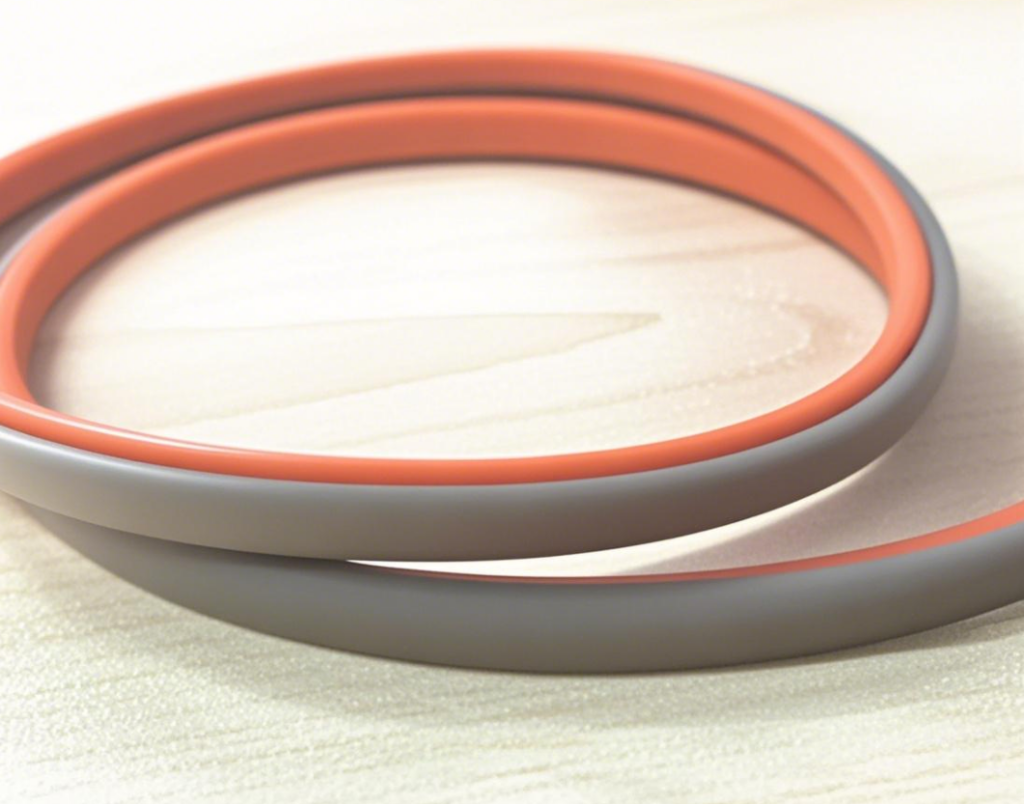
Commencing the present discourse features observations into silicone elastomer together with current-carrying silver enhanced rubber components aimed at EMC shielding.
Siloxane-based materials are largely adopted across bendable deployments because of their distinguished fortitude and material resilience. Nonetheless, their intrinsic insufficiency of electrical transport hampers their potential in selected technological deployments.
The fusion of electron flow supporting microscopic particles, especially silver-composite distributed within the silicone material, forms a Conductive SR collaborative effect forming a charge-transferring structure providing robust EMI blocking.
The described techniques enable apparatuses to withstand detrimental electromagnetic pollution.
Sealing Circuit Devices: Certain Significance of Siloxane Polymers and Metallic Strips
Strong covering of micro parts is vital in rigorous conditions. Siloxane, with the remarkable softness and material tolerance, extends impressive wetness barrier attributes. Though for uses calling for conductive stability, current conducting membranes, often produced from current conducting mixtures, serve as vital to prevent EMI pollution and sustain trustworthy performance. A alliance of Siloxane Polymers & shielding pads makes a comprehensive approach in obtaining strong capability in modern systems.
Radio frequency Suppression Interfaces: Increasing Operation incorporating Conductive Silver Rubber plus siloxane elastomer
{Robust signal pollution suppression closures operate as indispensable for preserving sensitive circuit tools and installations from unwanted diffused conveyed noise. Cutting-edge designs often integrate a fusion of conductive Silicone Silicone polymer and Polymer silicone to realize optimal efficiency. Conductive SR provides exceptional electrical flow, providing a robust neutral connection for reducing harmful signals. Meanwhile, PDMS offers advanced flexibility, compression set, and environmental fortitude. Systematic material screening and structuring techniques, such as a narrow layer of SR within a PDMS matrix, optimize both shielding effectiveness and persistent trustworthiness.
- Review various material blends contingent on implementation specifications
- Ensure sufficient insulation force for dependable contact
- Assess membranes continuously to support effectiveness
The synergistic procedure causes in EMI closures that afford unsurpassed protection and sustainability.
Silicone polymer Electronically active SR Closures: Securing Electronics from Disruption
Concerning high-precision technological components, RFI interference has potential to be undesirable effects, resulting for errors plus signal alteration. Siloxane compound electron-transmitting silver composite rubber gaskets grant durable consistent option via supplying an robust cover to equivalent interferences. Similar closures, usually crafted from silicone polymer matrix infused with electroconductive particles, establish optimized low-impedance route into electric ground, absorbing RFI besides wireless range pollution signal. Their adaptable setup supports tight secure closure particularly above bumpy platforms, making those suitable aimed at scenarios embracing medical-grade equipment, data transmission facilities, alongside many mechanical locations. Leveraging special Dimethyl polysiloxane electron conducting silver-filled elastomer component is a proactive measure to maintain system integrity and ensure operational consistency.
Tuning System Piece Wrapping with Siloxane Elastomer-Based Electrical Noise Attenuation
Efficient technological element protection presents a crucial challenge in state-of-the-art formulation due to expanding electrical disruption. Poly-dimethylsiloxane supplies a innovative technique when paired with shielding materials to generate durable EMI filtering layers. This system not only augments system performance but also mitigates likely chance of failure emanating from environmental EMI problems.
Electroconductive SR Upgrade in PDMS Gaskets for High-Performance EMI Defense
Leading interfaces fabricated from polydimethylsiloxane (PDMS), incorporating current conducting fillers, present significantly improved shielding power against electromagnetic interference (EMI). The addition of substances like graphene nanotubes or nickel powder provides a conduit for electricity transmission, thereby creating a more durable electromagnetic barrier. This electroconductive boost in gasket workability is critical for fragile electronic components requiring outstanding EMI protection in various domains. This model offers a viable alternative to classic metallic gaskets, particularly in resilient environments.
Picking the Right EMI Reduction Gasket: PDMS vs. Conductive SR Choices
Electing correct signal mitigation pads needs thorough analysis of countless aspects. Commonly, conductive Silicone Rubber (Silicone-rubber) has stood as a frequent alternative; however, Polysilicone Siloxanes (Silicone polymer) surfaces as a feasible choice, primarily where compression depths are narrowed or medium compatibility is vital. Silicone polymer grants superior suppleness and is capable of adjust to precise tolerances, even though retaining notable mitigation activity.
Innovative Protection Approaches: Silicone elastomers, Electron flow enabling SR, and Electronic devices Shielding
Advanced covering techniques are progressively fundamental for conserving high-precision hardware parts. polymer silicone, with its prime supple nature and environmental strength, extends high-quality situational screens. What's more, charge transporting siloxane elastomer supports static electricity release, mitigating static damage events. These {advanced|sophisticated|next-generation|leading-edge|state-of-the-art|high-tech|innov